What Happens to Mental Health When Routine Returns After a Break?
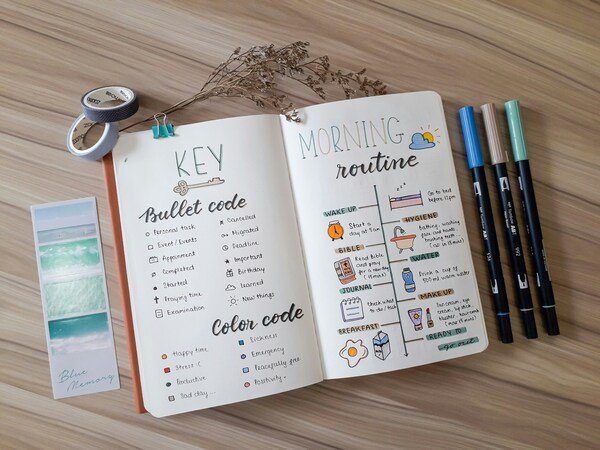
Returning to routine after a break can have a surprising impact on mental health. While time away from work, responsibilities, or everyday structure is often restorative, many people notice that going back to normal life feels harder than expected. You might feel more anxious, emotionally flat, irritable, or unmotivated, even if the break itself was enjoyable. These reactions are common and do not mean there is something wrong with you.
Changes in routine affect the nervous system. During a break, the brain adjusts to lower demands, fewer decisions, and reduced pressure. When routine returns, the nervous system has to shift gears again, adapting to schedules, expectations, and responsibilities. Research from the Mental Health Foundation highlights how stress can build when demands rise without adequate recovery, particularly during periods of transition.
Why Returning to Routine Can Feel Difficult
The brain and body thrive on predictability, but they also need time to adapt. When routine returns suddenly, the nervous system may respond with anxiety symptoms, low mood, fatigue, or a sense of pressure to catch up quickly. For some people, this looks like persistent worry, physical tension, or a familiar spiral of thoughts linked to anxiety disorders.
Many people also experience emotional contrast. After a period of rest or freedom, routine can feel restrictive by comparison. This does not mean routine is harmful. It often highlights the need for balance between structure and recovery, particularly when stress has been building quietly in the background.
Common Mental Health Changes After a Break
When routine returns, people often notice changes such as:
- Restlessness or feeling on edge
- Low motivation or reduced concentration
- Emotional numbness or feeling disconnected
- Sleep disruption or waking without feeling rested
- Irritability or becoming overwhelmed more easily
These experiences are normal stress responses rather than signs of weakness. They often reflect the nervous system adjusting to a shift in stimulation and demand. Physical symptoms can also appear, such as headaches, muscle tension, or digestive discomfort, which often overlap with the patterns described in how stress shows up in the body.
How to Support Your Mental Health During This Transition
Supporting your mental health when routine returns does not mean pushing harder. It often helps to rebuild structure gradually, rather than expecting immediate productivity. Prioritising sleep, regular meals, and small moments of rest supports emotional regulation during this adjustment period.
It can also help to notice emotional responses without judgement. If anxiety, low mood, or lack of motivation shows up, acknowledging these feelings can reduce internal pressure and support a calmer response. Many people benefit from grounding techniques, gentle movement, and time outdoors, especially when stress is showing up physically.
When Psychological Support Can Help
For some people, returning to routine brings deeper stress or burnout into focus. Psychological therapy can support a clearer understanding of what is driving the stress response, alongside practical strategies for managing overwhelm and rebuilding steadier routines through individual therapy.
Over time, many people find that emotional balance returns gradually, alongside a stronger sense of confidence, clarity, and control.
Key Takeaways
- Returning to routine can temporarily increase stress and affect mental health
- Emotional changes are a normal nervous system response to transition
- Gentle structure, self-compassion, and psychological support can help restore balance