Health Anxiety: When Checking, Googling and Reassurance Stop Helping
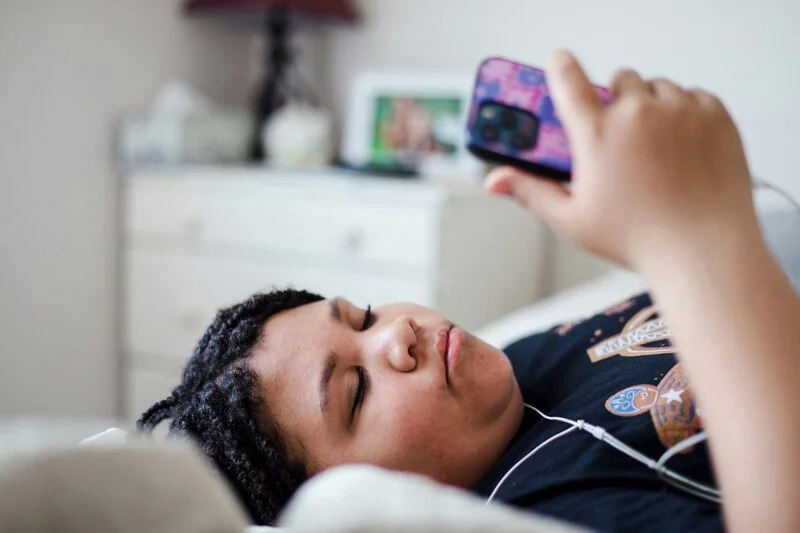
Health anxiety is more than simply caring about your wellbeing. It involves persistent worry about having, developing, or missing a serious illness, even when medical reassurance or test results suggest there is no immediate concern. For many people, health anxiety symptoms include body checking, Googling symptoms, asking for reassurance, and feeling unable to trust that things are okay. This can feel exhausting, frightening, and deeply isolating, but it is also a recognised and treatable anxiety difficulty.
What Is Health Anxiety?
Health anxiety happens when normal bodily sensations are interpreted as signs of serious illness. A headache may become a fear of something neurological. A fast heartbeat may feel like evidence of a heart problem. A small ache, mark, or change in the body can quickly trigger anxious thoughts. The NHS describes health anxiety as involving constant worry about health, frequent body checking, reassurance seeking, and obsessive searching for health information online.
This matters because health anxiety can take up a lot of emotional energy. Research estimates vary, but a recent review of illness anxiety disorder suggests that health anxiety in the general adult population may range from 2.1% to 13.1%, depending on how it is measured. Health anxiety is therefore not unusual, and it is not a sign of weakness.
Why Checking and Googling Stop Helping
Checking your body, monitoring symptoms, and Googling health information can feel reassuring at first. It may seem logical to look for answers when you feel worried. The difficulty is that checking often gives only short-term relief. The anxiety reduces briefly, but the brain learns that reassurance is needed to feel safe. Soon, another sensation appears, another search begins, and the cycle continues.
This is sometimes called the reassurance cycle. You feel a symptom, anxiety rises, you check or search, you feel temporarily calmer, and then uncertainty returns. Over time, health anxiety can make people more sensitive to normal bodily sensations. The more you monitor your body, the more symptoms you notice, which can make anxiety feel even more convincing.
Why Reassurance Can Become Part of the Cycle
Reassurance from doctors, loved ones, or online information is not wrong. In fact, appropriate medical advice is important when symptoms need checking. The problem begins when reassurance becomes repeated, urgent, or never feels enough. You may hear that everything is fine, but within minutes or hours the thought returns: what if something was missed?
For people with health anxiety, reassurance seeking can become a way of trying to remove uncertainty completely. Unfortunately, health can never be guaranteed with absolute certainty. Learning to tolerate some uncertainty is a key part of recovering from health anxiety. This does not mean ignoring your body. It means learning the difference between helpful medical care and anxiety-driven checking.
What Actually Helps with Health Anxiety?
CBT for health anxiety is one of the most widely used psychological approaches. It helps people understand the link between thoughts, body sensations, checking behaviours, Googling symptoms, and reassurance seeking. Instead of simply telling yourself not to worry, CBT supports practical changes, such as reducing checking gradually, challenging catastrophic interpretations, and rebuilding normal activities that anxiety may have restricted.
A private psychologist can help you explore health anxiety in a safe and non-judgemental space. Therapy may involve identifying triggers, understanding past experiences with illness, working on uncertainty, and developing more balanced responses to symptoms. The aim is not to dismiss your concerns, but to help you feel less controlled by health worries. For many people experiencing anxiety-related difficulties, psychological therapy for anxiety can provide a structured and compassionate way to understand what is happening and begin making changes.
The Centre for Clinical Interventions explains checking and reassurance seeking as behaviours that can bring short-term relief but may maintain health anxiety over time. This is why therapy often focuses on changing the cycle gradually and compassionately, rather than trying to force anxiety away.
When to Seek Professional Support
It may be time to seek support for health anxiety if health worries are taking over your day, affecting sleep, relationships, work, or your ability to enjoy life. Support can also help if you find yourself repeatedly checking symptoms, Googling medical conditions, asking for reassurance, or avoiding health-related information because it feels too frightening.
Health anxiety can improve with the right psychological therapy. The NHS notes that CBT may be used to treat health anxiety, and psychological therapy can help people reduce reassurance seeking, respond differently to bodily sensations, and regain a sense of trust in themselves. If health anxiety is affecting your daily life, an initial consultation can offer space to discuss what kind of support may feel most helpful.
Key Takeaways
- Health anxiety can involve repeated checking, Googling symptoms, and reassurance seeking.
- Short-term reassurance may reduce anxiety briefly, but can keep the cycle going.
- CBT and psychological therapy can help reduce health anxiety and rebuild confidence.
- Seeking support is not an overreaction. It can be an important step towards feeling calmer and more in control.