Travel Anxiety: How to Manage Holiday Nerves and Enjoy Your Break
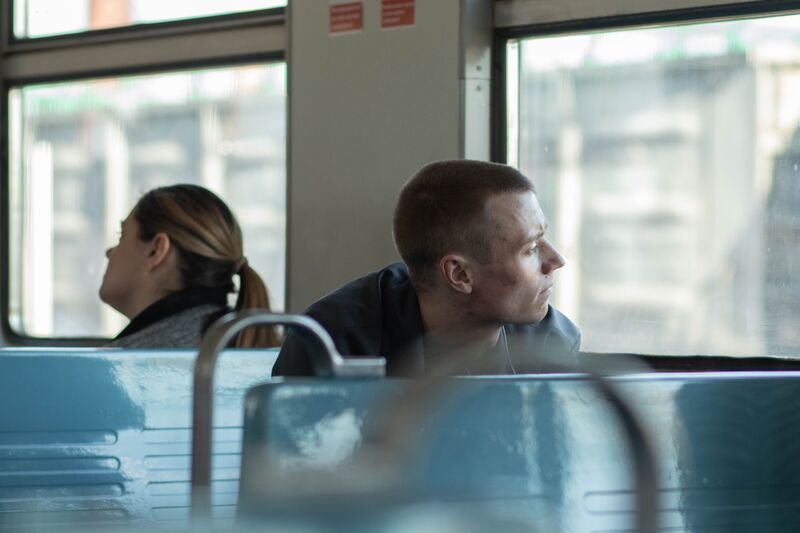
Booking a holiday should feel exciting, yet for many people the days before departure bring a knot of worry rather than anticipation. Travel anxiety is far more common than most of us realise, and it can turn a long-awaited break into something you quietly dread.
Whether it is a short flight, a long drive or your first trip in years, anxious feelings before travelling are a normal response, not a personal failing. The reassuring news is that holiday anxiety is manageable, and understanding why it happens is the first step towards travelling with more calm and confidence.
Understanding Travel Anxiety
Travel anxiety describes the nervousness, unease or fear that surfaces before or during a journey. For some people it centres on flying. Fear of flying is believed to affect around one in ten people in the UK, according to Anxiety UK. For others, the worry attaches to busy airports, unfamiliar places, a disrupted routine, or being far from home if something goes wrong.
Travel anxiety can show up in the body too, through a racing heart, a churning stomach, broken sleep or restlessness in the days beforehand. Anxiety is one of the most common mental health difficulties in the country. If anxiety affects other areas of your life too, you can read more about the support we offer for anxiety disorders. If the thought of travelling leaves you on edge, you are far from alone.
Why Holidays Can Feel Overwhelming
It can seem strange that something meant to be relaxing stirs up so much worry. Yet holidays disrupt the very routines that help many of us feel safe and in control. Packing, tight connections, unfamiliar surroundings and the pressure to enjoy every moment quickly pile up, and that build-up can leave you feeling guilty as well as anxious.
Avoidance tends to make holiday anxiety worse over time. Research by YouGov found that 43% of nervous flyers avoid planes altogether, and many limit themselves to destinations they can reach without leaving the ground. Steering clear of travel may bring short-term relief, but it slowly shrinks your world and reinforces the fear.
Practical Ways to Ease Travel Anxiety
Small, steady steps usually help the most. Prepare early so that packing and paperwork never become a last-minute scramble. Break the journey into manageable stages rather than picturing the entire trip at once. Slow, steady breathing calms the body's stress response, and simple grounding techniques can bring you back to the present when worry spikes.
Planning comforting anchors also helps, such as a familiar playlist, a good book, or a gentle routine for your first evening away. Where you can, share your worries with a travel companion, since a little understanding often takes the edge off the day. If flying is your trigger, there is no shame in telling the cabin crew you feel anxious, and many people find that naming the fear loosens its grip.
When to Seek Professional Support
If travel anxiety is stopping you from seeing loved ones, taking opportunities or simply enjoying time away, it is worth reaching out for help. You do not need to wait until things feel unbearable before asking for support.
Talking therapies such as cognitive behavioural therapy are highly effective for anxiety and phobias, helping you understand anxious thoughts and gradually face the situations you have been avoiding. Support is available, and lasting change is entirely possible.
Key Takeaways
- Travel anxiety is common. Fear of flying alone affects around one in ten people in the UK.
- Avoiding travel eases worry in the short term but tends to reinforce anxiety over time.
- Preparation, steady breathing and grounding help, and CBT is highly effective for persistent travel anxiety.
Frequently Asked Questions
What is travel anxiety?
Travel anxiety is the worry, unease or fear that arises before or during a journey. It can involve flying, busy airports, unfamiliar places or being away from your usual routine, and it may bring physical symptoms such as a racing heart or a churning stomach.
How common is fear of flying in the UK?
Fear of flying is believed to affect around one in ten people in the UK. Many nervous flyers limit where they travel and some avoid planes altogether, which shows how much travel anxiety can affect everyday life.
How can I calm travel anxiety before a holiday?
Prepare early, break the journey into small stages, and use slow breathing and grounding techniques when worry rises. Familiar comforts, a relaxed first evening and sharing your feelings with a travel companion can also make a real difference.
When should I seek help for travel anxiety?
If travel anxiety stops you seeing loved ones, taking opportunities or enjoying time away, it is worth seeking support. Cognitive behavioural therapy is highly effective for anxiety and phobias, and you do not need to wait until things feel unbearable.